
Recovery can involve much more than stopping substance use. For many people, rebuilding a stable life means developing healthier routines, repairing relationships, addressing physical and emotional well-being, managing responsibilities, and learning how to make decisions that support long-term goals. The process can feel overwhelming when several areas of life need attention at the same time, but progress can happen through manageable steps.
Professional support can provide an important foundation while a person works toward greater independence. Treatment, counseling, medical care, accountability, legal guidance, and supportive relationships may all become relevant at different points. Recovery also involves discovering activities and routines that create purpose beyond substance use. By focusing on realistic goals and recognizing progress along the way, people can gradually create a lifestyle that supports continued recovery and gives them reasons to feel hopeful about the future.
Build a Recovery Plan Around Your Personal Needs
A sustainable recovery plan should reflect the individual’s circumstances rather than relying on a generic approach. Substance use history, physical health, emotional wellbeing, living situation, relationships, employment, and previous treatment experiences can all affect what type of support may be useful. A plan can also change as circumstances change.
For someone addressing alcohol dependence, alcohol rehab centers may provide structured treatment and professional support. Depending on the program, services may include counseling, education, behavioral health support, peer interaction, and planning for continued care after treatment. Individuals can discuss their circumstances with qualified professionals to determine what level of support is appropriate.
When developing a recovery plan, consider:
- The type and intensity of support currently needed
- Goals for treatment and personal stability
- Potential triggers and difficult situations
- People who can provide healthy support
- Plans for continuing care after treatment
- Practical needs involving work, housing, or transportation
Recovery does not have to follow a perfectly predictable path. Reviewing goals regularly can help a person adjust the plan while continuing to work toward greater stability and independence.
Rebuild Your Self-Care Routine Without Losing Focus
Developing a healthier daily routine can be an important part of rebuilding life after addiction. Regular sleep, nutritious meals, physical activity, personal hygiene, relaxation, and meaningful activities can provide structure to days that may previously have revolved around substance use. Small routines can also create a sense of predictability during periods of change.
Personal appearance and relaxation may be part of a broader self-care routine as well. Med spa services can include various cosmetic and wellness-oriented treatments, but these services should be considered separately from addiction treatment or medical care for underlying conditions. Anyone considering a procedure should understand what it involves and discuss relevant health considerations with an appropriately qualified provider.
A balanced self-care routine might include:
- A consistent sleep and wake schedule
- Regular meals and adequate hydration
- Physical activity appropriate for individual abilities
- Time for hobbies and relaxation
- Personal grooming and hygiene
- Activities that promote positive social connections
The goal is not to create an unrealistic schedule. Instead, gradually establishing routines can help make everyday life feel more organized while leaving room for changing needs and priorities.
Develop a Support Network You Can Rely On
Recovery can become more manageable when people have reliable sources of support. Family members, friends, counselors, peer groups, community organizations, and healthcare professionals can each provide different forms of encouragement and accountability. Building several healthy connections can also reduce the pressure placed on any single relationship.
A certified addiction professional can provide specialized guidance related to substance use and recovery. Professional support may help individuals identify patterns, develop coping strategies, establish goals, and address challenges that arise during different stages of recovery. Finding someone whose qualifications and approach fit the individual’s circumstances can make ongoing support more useful.
When building a support network, consider:
- People who respect recovery-related boundaries
- Professionals with appropriate addiction-related credentials
- Peer groups that encourage healthy choices
- Family members who are willing to communicate openly
- Trusted people who can provide practical assistance
- Emergency or crisis resources that can be accessed when needed
Healthy support should allow room for honesty without creating unnecessary pressure. It is also reasonable to establish boundaries with people, environments, or relationships that could interfere with recovery.
Address Physical Wellness as Part of Recovery
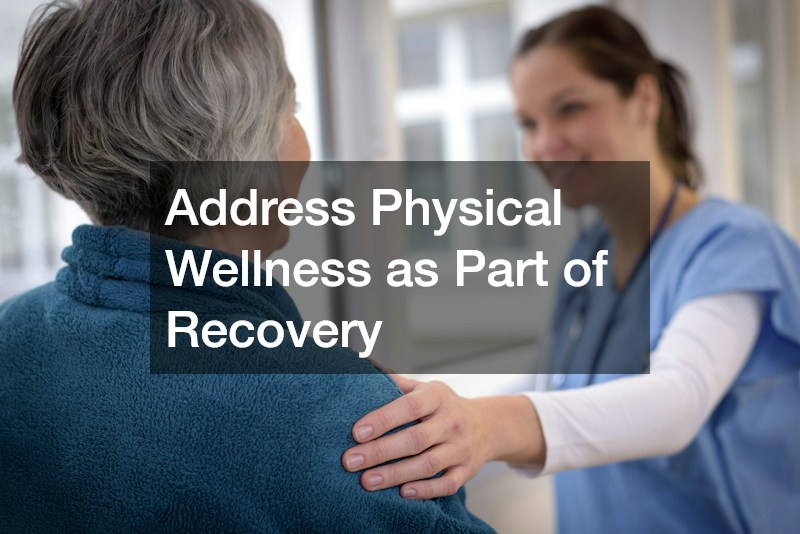
Physical health deserves attention during recovery, particularly when someone has neglected medical needs or experienced health effects associated with substance use. Establishing routine healthcare, addressing persistent symptoms, improving nutrition, and discussing medications with qualified providers can all contribute to a more complete approach to wellbeing.
Hormone replacement therapies are medical treatments that may be appropriate for certain individuals with specific hormonal conditions or deficiencies. They are not a universal solution for fatigue, mood changes, or other symptoms that can have many potential causes. A healthcare provider can evaluate symptoms, medical history, laboratory information when appropriate, and potential risks before recommending treatment.
People rebuilding their physical health can focus on:
- Scheduling routine medical appointments
- Discussing persistent or concerning symptoms
- Reviewing current medications with healthcare providers
- Building sustainable nutrition and exercise habits
- Getting consistent and adequate sleep
- Following recommended treatment plans
Addressing physical health should complement, rather than replace, recovery support. Taking care of medical needs can also make it easier to participate in work, relationships, hobbies, and other activities that contribute to a fulfilling life.
Know When a More Structured Recovery Environment Helps
Some people benefit from an environment that provides consistent structure, professional supervision, and separation from circumstances that make recovery difficult. A highly structured setting may be particularly relevant when someone needs intensive support, has struggled to maintain recovery in a less structured environment, or needs help establishing new routines.
Inpatient drug rehab centers can provide residential treatment where individuals receive services while living at the facility. Programs differ considerably, so people considering this option should learn about the treatment approach, available services, staffing, living arrangements, discharge planning, and continuing-care resources.
When evaluating a structured treatment program, consider:
- The types of treatment and counseling offered
- Whether medical or behavioral health services are available
- How family participation is handled
- What daily routines and activities involve
- How the program prepares people for returning home
- What aftercare resources are available
Entering a structured program does not mean that independence has been abandoned. For some individuals, a period of intensive support can provide an opportunity to establish healthier patterns before transitioning into less structured settings.
Use Accountability Tools Without Losing Your Independence
Accountability can play a role in rebuilding relationships and demonstrating commitment to recovery. Depending on the circumstances, accountability may involve treatment requirements, family agreements, workplace policies, legal conditions, or a person’s own recovery plan. The purpose should be clearly understood so monitoring becomes part of a broader strategy rather than an isolated requirement.
Drug testing services may be used in certain treatment, employment, legal, or other settings to identify recent substance exposure. The type of test, testing schedule, substances being evaluated, and handling of results can vary considerably. Anyone subject to testing should understand the applicable procedures and who is authorized to receive the results.
An accountability plan may involve:
- Clearly defined expectations
- A consistent schedule when monitoring is required
- Open communication about results
- Appropriate privacy protections
- Additional counseling or recovery support
- A plan for responding to difficulties
Accountability does not have to eliminate personal responsibility or independence. When combined with appropriate support, it can provide a framework for recognizing progress and addressing concerns before they become larger obstacles.
Make Thoughtful Choices About Health and Wellness Treatments

As people rebuild their lives, they may become interested in wellness services that promise increased energy, improved hydration, or other benefits. It is important to evaluate these options carefully and distinguish general wellness services from treatments supported by an individual’s medical needs.
Vitamin IV infusions are offered by some healthcare and wellness providers, but an infusion is not automatically appropriate for everyone. Individuals should discuss their health history, medications, allergies, nutritional status, and specific goals with a qualified healthcare professional before receiving an infusion or supplement-based treatment.
A thoughtful approach to wellness can include:
- Prioritizing balanced nutrition
- Drinking adequate fluids
- Maintaining regular physical activity
- Getting sufficient sleep
- Discussing supplements with a healthcare provider
- Evaluating claims about wellness treatments carefully
Recovery can create an opportunity to establish habits that are sustainable over the long term. Rather than relying on a single treatment or service to improve overall wellbeing, individuals can build a broader routine that addresses physical health, emotional needs, relationships, and meaningful daily activities.
Create Safe Travel Plans That Protect Your Recovery
Travel can be an exciting part of rebuilding a life, but unfamiliar environments can also disrupt established routines. Changes in sleep schedules, social settings, access to support, and exposure to alcohol or other substances may create challenges. Planning can help travelers maintain the routines and boundaries that support their recovery.
Accommodation choices deserve particular attention. People researching the best Airbnbs or other lodging options can consider factors beyond appearance and price, including location, privacy, neighborhood surroundings, transportation, access to food and necessities, and proximity to supportive people or services.
Before traveling, consider:
- Whether the destination supports your recovery goals
- How you will maintain treatment or support appointments
- Whether transportation will be reliable
- Who you can contact if you need support
- Whether the accommodation creates unnecessary exposure to triggers
- How you will maintain healthy sleep and meal routines
Travel does not have to be avoided indefinitely. With thoughtful preparation and realistic expectations, it can become an opportunity to experience new places and activities while continuing to protect the routines that support recovery.
Take Practical Steps When Legal Problems Affect Recovery
Legal problems can add stress to the process of rebuilding a stable life. Court dates, release conditions, financial obligations, employment concerns, transportation limitations, and other requirements can create additional responsibilities that need careful attention. Ignoring these obligations can potentially create further complications.
A bail bond agency may be involved in certain circumstances when someone needs assistance obtaining release from custody through a bail bond. Procedures and requirements vary by jurisdiction and individual case, so people facing these circumstances should understand the applicable rules and communicate with appropriate legal professionals.
When dealing with a legal matter, keep track of:
- Court dates and deadlines
- Documents received from the court
- Conditions associated with release
- Contact information for legal counsel
- Financial obligations and payment requirements
- Transportation or licensing restrictions
Legal problems and recovery should be treated as connected parts of a person’s circumstances without assuming that one can resolve the other. Staying organized, following applicable requirements, and obtaining appropriate legal guidance can help prevent avoidable complications while a person works toward greater stability.
Address Driving-Related Legal Consequences Responsibly

A DUI-related charge can create consequences that extend beyond the immediate legal matter. Depending on the circumstances and jurisdiction, an individual may face concerns involving driving privileges, employment, insurance, finances, transportation, and personal relationships. Addressing those issues responsibly can be an important part of rebuilding stability.
DUI legal representation can help an individual understand the legal process and the issues specific to a particular case. An attorney can explain applicable procedures, deadlines, potential consequences, and available legal options based on the facts and jurisdiction involved. People facing charges should avoid assuming that another person’s experience will produce the same result.
Practical steps can include:
- Keeping track of all court dates
- Following applicable driving restrictions
- Organizing legal documents
- Communicating with an attorney
- Arranging lawful transportation when necessary
- Avoiding impaired driving in the future
Taking responsibility for legal obligations is separate from judging a person’s entire recovery journey. Addressing the immediate legal circumstances carefully can remove some uncertainty and allow greater attention to the broader work of rebuilding a stable and healthy life.
Rebuilding a life after addiction is a process that can involve many different areas of daily life. Treatment and professional support may provide an important foundation, while healthy routines, physical healthcare, meaningful relationships, accountability, and responsible decision-making can help create greater stability. The right combination of support will differ from one person to another, and plans may need to change as circumstances evolve.
Recovery can also involve learning how to approach situations that once created significant difficulties. Travel, legal responsibilities, personal wellness, employment, and relationships may all require thoughtful planning. Progress does not require every part of life to be resolved at once. Focusing on manageable goals, accepting appropriate support, and recognizing improvements over time can help make the process more sustainable. With patience and continued effort, rebuilding can become an opportunity to develop routines, relationships, and goals that support a meaningful life beyond addiction.